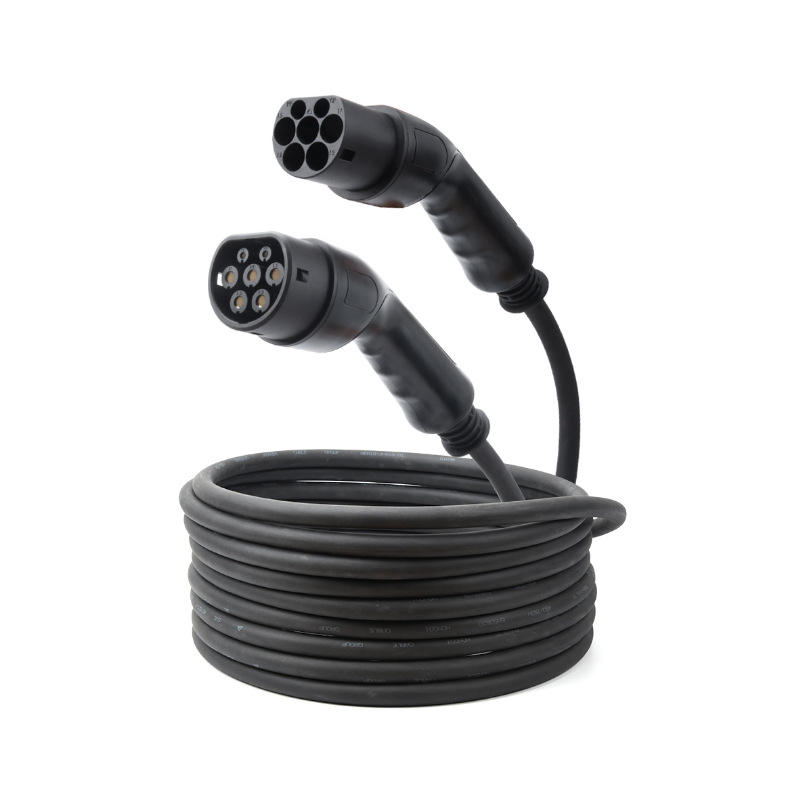
Charging gun

Why the Type 2 Dual Head EV Charging Cable Is Powering Europe’s Charging Infrastructure

When people talk about EV charging, they usually gush about sleek charging stations or next-gen battery tech. Hardly anyone stops to think about the thing that actually connects the two: the charging cable.
 
But here's the truth — none of it works without a reliable cable. Doesn't matter how fancy your charger is or how big your battery is, if the cable's no good, you're not going anywhere. In Europe, where the Type 2 connector is basically the default, good dual-head charging cables are the unsung workhorses keeping the whole EV ecosystem running.
 
So what's the big deal about these cables anyway? And why does a 3-phase 22kW dual-head cable matter so much? Let's get into it.
 

The Cable Is More Than Just a Wire

Every charging session starts and ends with a cable. It's not just a hunk of copper with plugs on both ends — it's carrying power, handling communication between the car and the charger, and managing safety protocols, all at the same time.
 
Here's how it works: when you plug in, the cable lets the charger and your car "talk." They work out how much power the car can take, run through safety checks, and then — and only then — the electricity starts flowing. The cable has to handle this reliably, every single time.
 
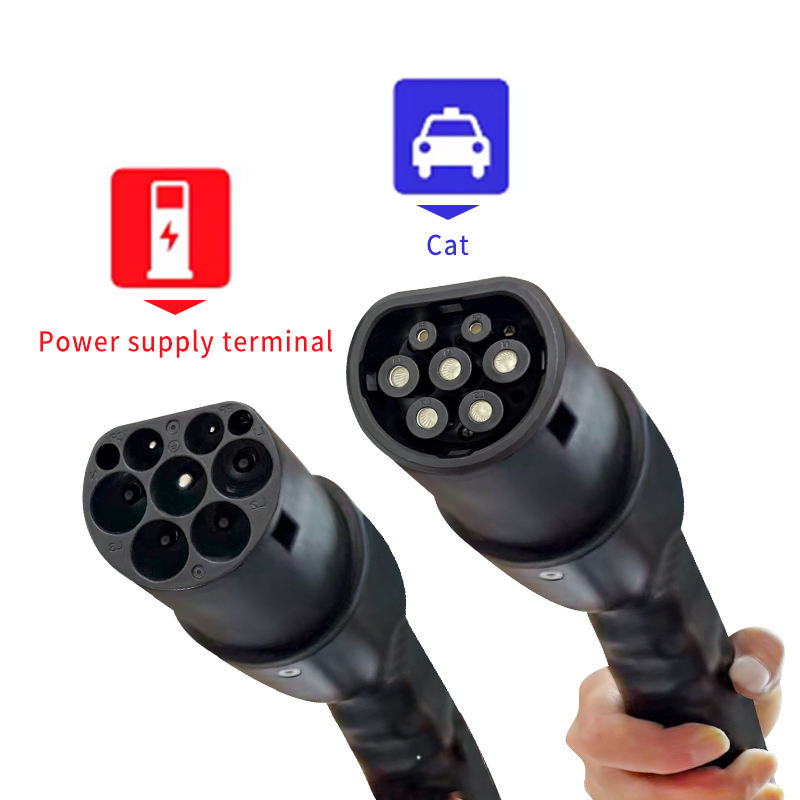
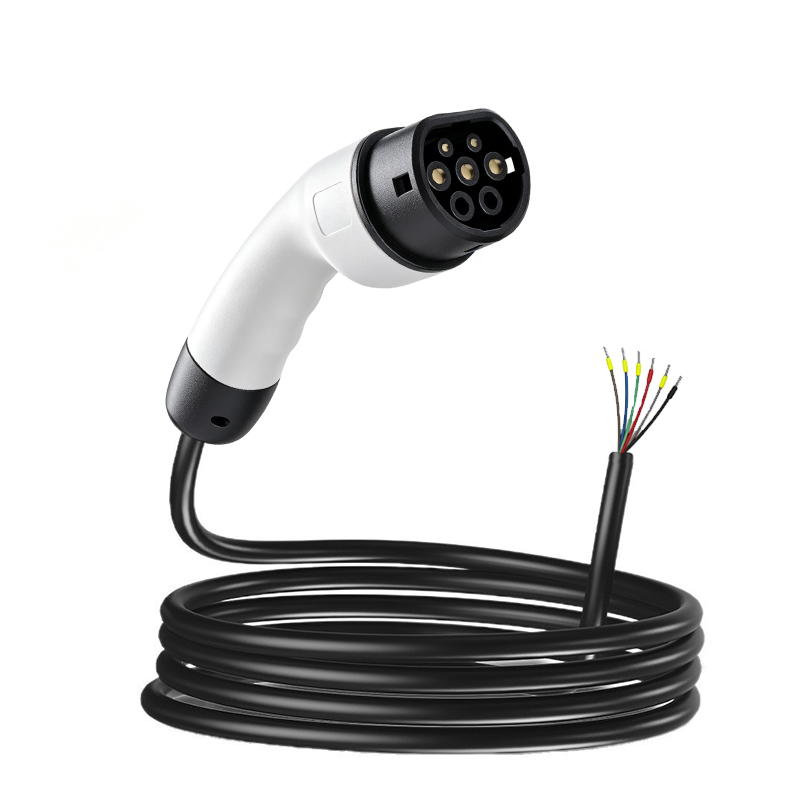
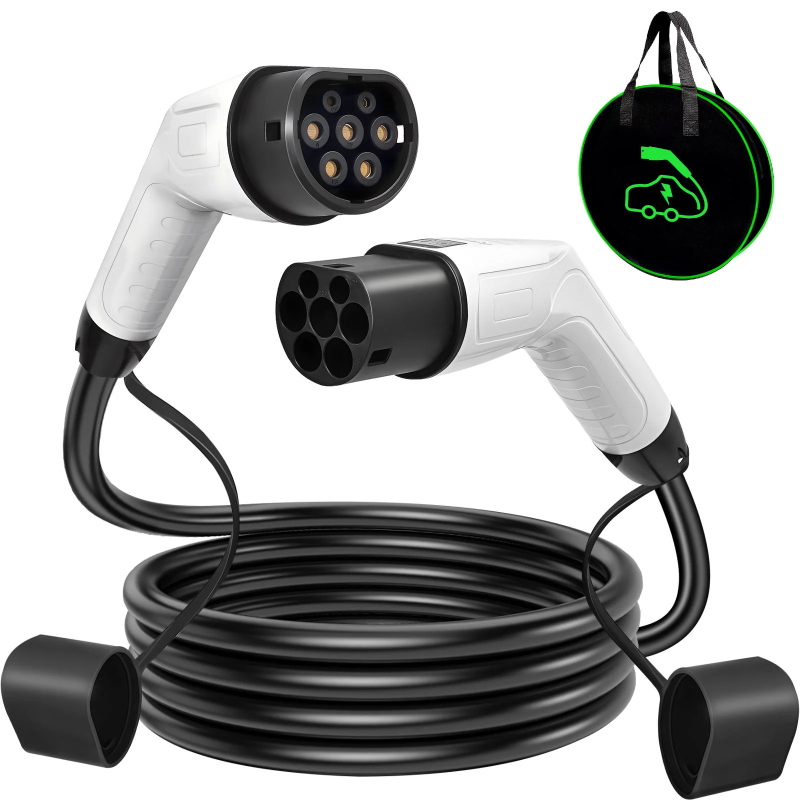
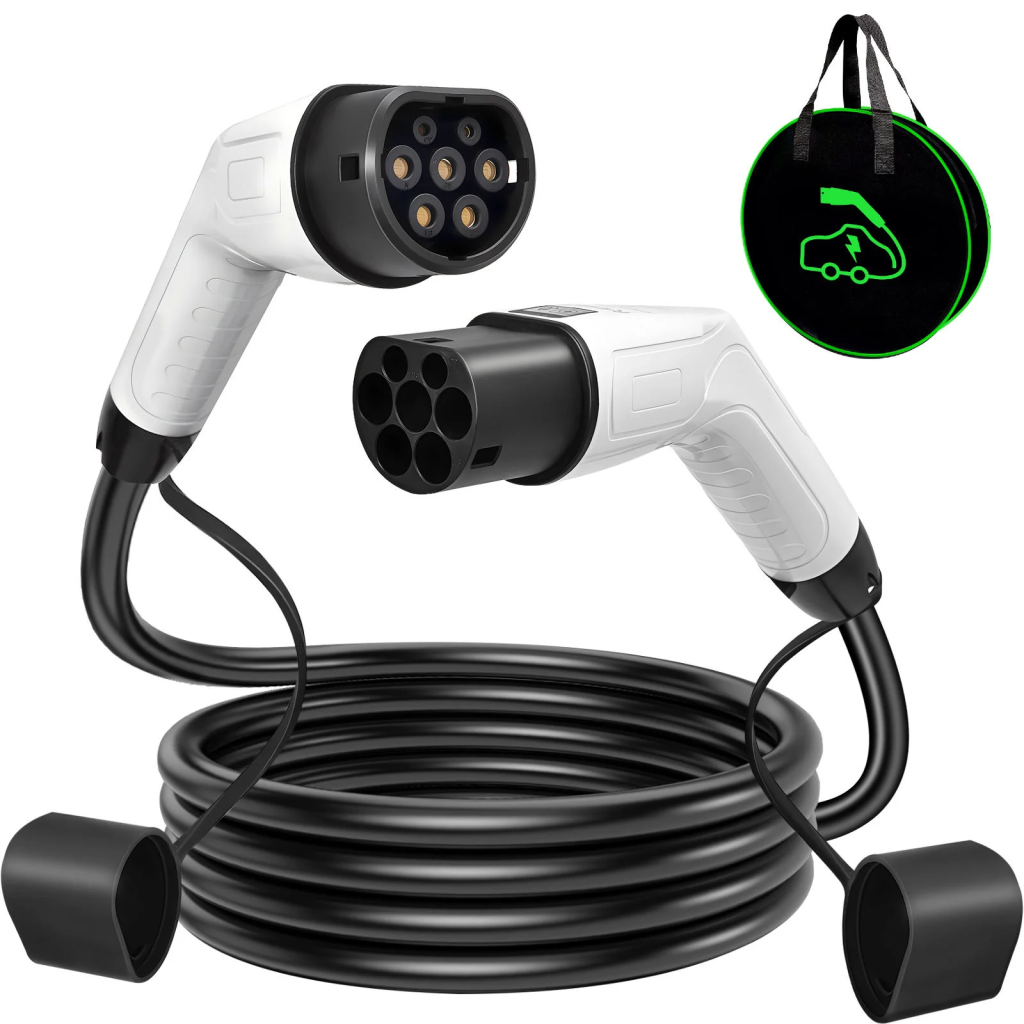
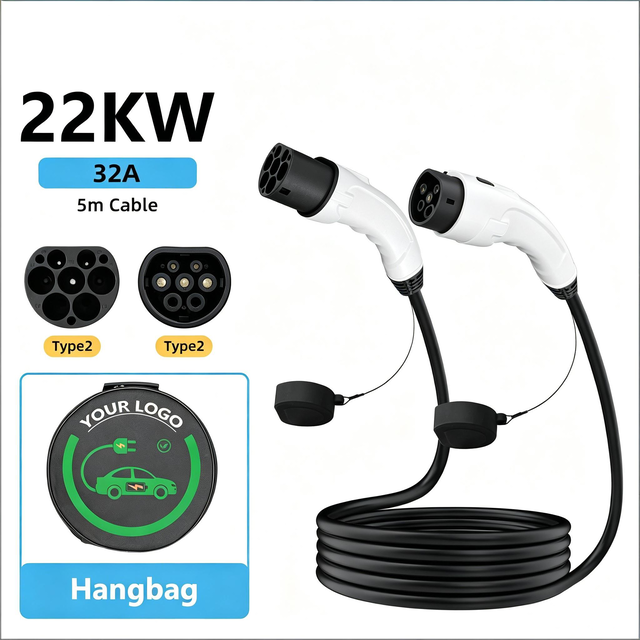
Type 2, or IEC 62196-2 if you want the official name, is the standard AC connector across Europe. That 7-pin design supports both single-phase and 3-phase charging, which makes it pretty versatile. A dual-head Type 2 cable takes it a step further — you can plug into any Type 2 socket, charge from station to car, or even do vehicle-to-vehicle stuff if your setup supports it. No more hunting for a station that has a cable attached.
 
And let's not sleep on safety. A cheap cable can overheat, wear out fast, or just flat-out fail. A good one? It charges safely, every time, even after you've plugged and unplugged it thousands of times.

What Actually Makes a Good 3-Phase 22kW Cable?

Not all charging cables are built the same. A proper 3-phase 22kW dual-head Type 2 cable has some real engineering behind it. Let's break down what to look for.

Power Output Matters — A Lot

3-phase cables deliver way more power than single-phase ones. Single-phase usually tops out around 7.4kW, but a 3-phase cable can push 22kW, sometimes even 32kW. That's a huge difference in charging speed, especially if your car has a 3-phase onboard charger.
Quick specs rundown:
  • Current: 16A to 32A, works with both 1-phase and 3-phase
  • Voltage: 240V / 400V
  • Power: 7kW to 32kW
  • Frequency: 50Hz / 60Hz

Materials Make the Difference

The best cables don't cut corners on materials:
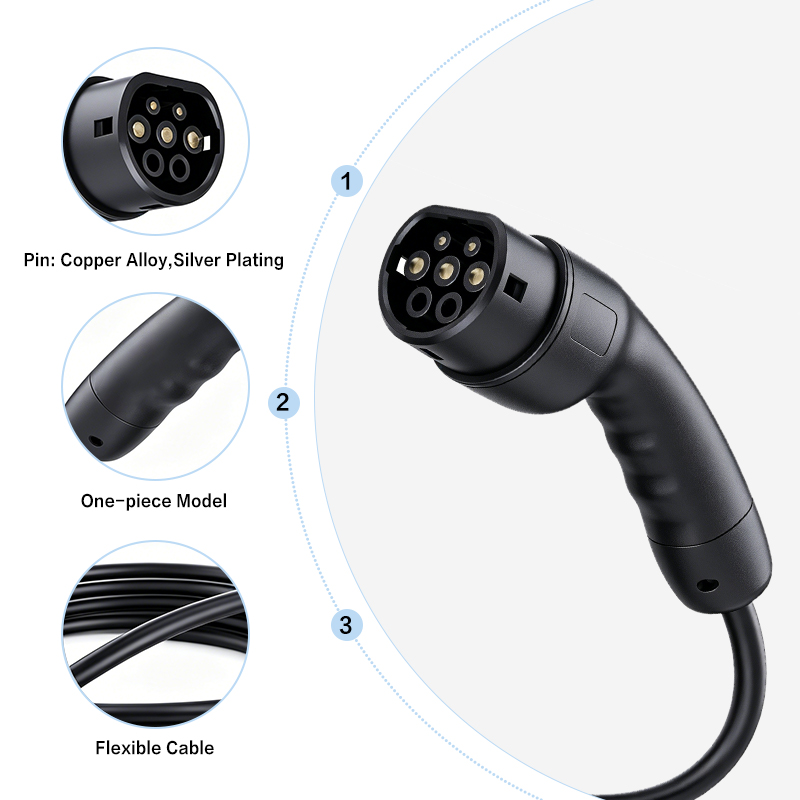
  • Silver-plated copper contacts — lower resistance means less heat, which means safer charging
  • TPU jacket — flexible, tough, and stands up to abrasion, oil, and weather way better than cheap PVC
  • Thermoplastic connectors — light but strong, handles heat well

Built-In Safety

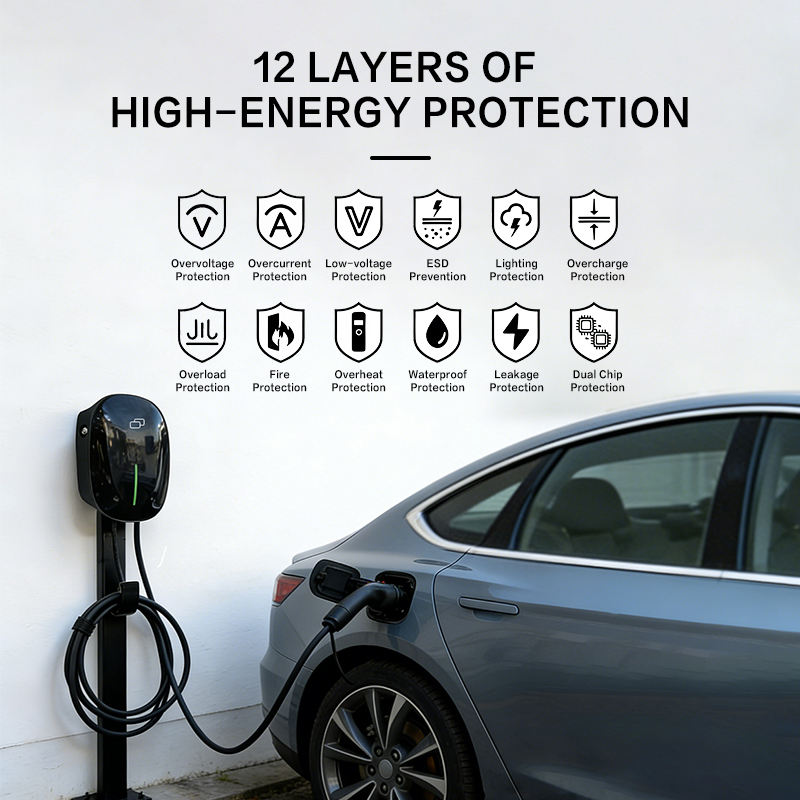
A quality cable should have multiple layers of protection built in. The good ones come with 8 different protections — overvoltage, overcurrent, overheating, short circuit, you name it. And every single cable should be tested before it ships. Electricity isn't something you want to gamble with.

Built to Last

Charging cables live outside. Sun, rain, snow, freezing winters, hot summers — they have to take it all. A decent cable should handle:
  • Temperatures from -30°C all the way up to +55°C
  • IP65 dust and water resistance
  • UL94 V0 flame retardant rating
  • 10,000+ plug cycles minimum

Why Dual Head Cables Are a Game-Changer in Europe

In Europe, where Type 2 is everywhere, a dual-head cable gives you options that single-ended cables just can't match.

Use It Anywhere

Type 2 on both ends means you can plug into literally any Type 2 socket. Public station, workplace charger, even another car's V2L outlet — it doesn't matter. No more showing up to a charger and realizing there's no cable attached.

One Cable, Every Scenario

Dual-head cables are just more flexible:
  • Public charging on the road
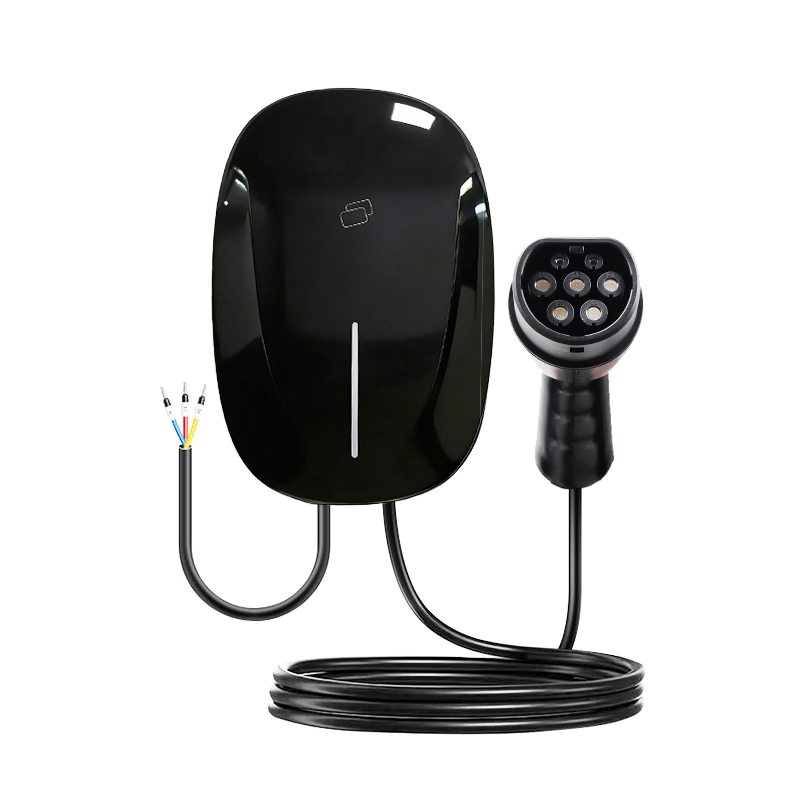
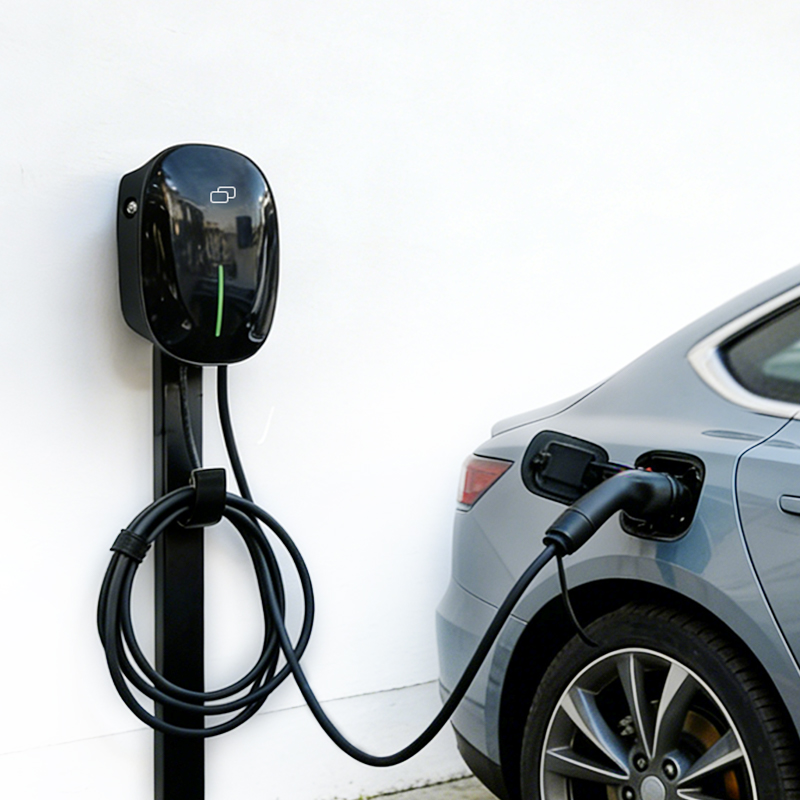
  • Home charging with a wall box
  • Workplace charging
  • V2G or V2L setups, if you're into that

Customize It How You Want

The better suppliers don't force you into a one-size-fits-all cable. You can usually pick:
  • Length — 5m, 7.5m, 10m, 15m, or whatever you need
  • Color — match your brand or just pick something you like
  • Logo printing — great for fleets or charging networks
  • Packaging — retail-ready or bulk, depending on what you're doing

What's Next for Charging Cables?

EV tech isn't standing still, and cables aren't either. Here's what we're seeing on the horizon:
  • Higher power — As 11kW and 22kW onboard chargers become the norm, 3-phase cables go from nice-to-have to must-have
  • Smart cables — Built-in sensors and chips for monitoring and diagnostics
  • Bidirectional charging — V2G and V2H will make cables even more versatile
  • Greener materials — More eco-friendly components and recyclable designs
At the end of the day, the cable is still the heart of it all. The companies that invest in quality now will be the ones powering the EV transition for years to come.

Wrapping Up

EVs are changing how we get around, but the charging cable is the quiet piece holding it all together. Fast charging, safe charging, reliable charging — it all depends on the cable. And as Europe's EV market keeps growing, having a cable you can trust matters more than ever.
If you're building a charging network, sourcing for an OEM project, or just looking for quality cables to sell, don't settle for the cheapest option. Reach out to Fast Charge and see what they can do. The infrastructure we build today is what Europe's EV future will run on — let's make sure it's built right.

FAQs

1. What exactly is a Type 2 charging cable?
 
Type 2 — officially IEC 62196-2 — is the standard AC charging connector used across Europe. It's got 7 pins and works with both single-phase and 3-phase charging.
2. What does "dual head" mean?
 
It means there's a Type 2 connector on both ends of the cable. You can plug your car into any Type 2 socket, even if the station doesn't have a cable attached.
3. Single-phase vs 3-phase — what's the real difference?
 
Speed, basically. Single-phase maxes out around 7.4kW, while 3-phase can do 22kW or more. If your car has a 3-phase charger, the difference is huge.
4. How fast is 22kW charging in real terms?
 
Roughly 100-150 km of range per hour, depending on the car. Way faster than the 30-50 km you'd get from a standard 7kW home charger.
5. Are all Type 2 cables basically the same?
 
Nope. The cheap ones cut corners on materials, heat up more, and wear out fast. Good ones use silver-plated contacts, TPU jackets, and have proper safety protections built in.
6. What certifications do I need for Europe?
 
CE and RoHS are the basics. IEC 62196-2 certification means it actually meets the Type 2 standard. UL and CB are extra reassurance.
7. How long should a good cable last?
 
A quality one should handle 10,000+ plug cycles and years of outdoor use. Cheap ones? You might be replacing them in a year or two.
8. Can I get a custom length?
 
Yeah, most reputable suppliers offer custom lengths — 5m up to 15m or more. You can usually customize colors, logos, and packaging too.
9. Will a dual-head cable work with my EV?
 
If it's a European EV with Type 2 AC charging — which is basically all of them — yes. We're talking 99%+ of EVs sold in Europe.
10. Where should I source OEM charging cables?
 
Look for manufacturers with a solid track record, full certifications, 100% testing, and good customer feedback. Shenzhen Fast Charge Industry is one option that specializes in European-market cables and infrastructure projects.
 

Leave a Reply

Your email address will not be published. Required fields are marked *