
If you’re reading this, chances are your company is already dealing with EVs—or about to be. We went through the same thing last year. Half our fleet went electric, employees started asking about charging at the office, and suddenly we needed a real solution, not just a random charger plugged into a wall socket.
After trying a few options, we landed on smart wallbox EV chargers. Here’s what actually happened, and why I think they’re worth the money for most businesses.
First, what even is a wallbox?
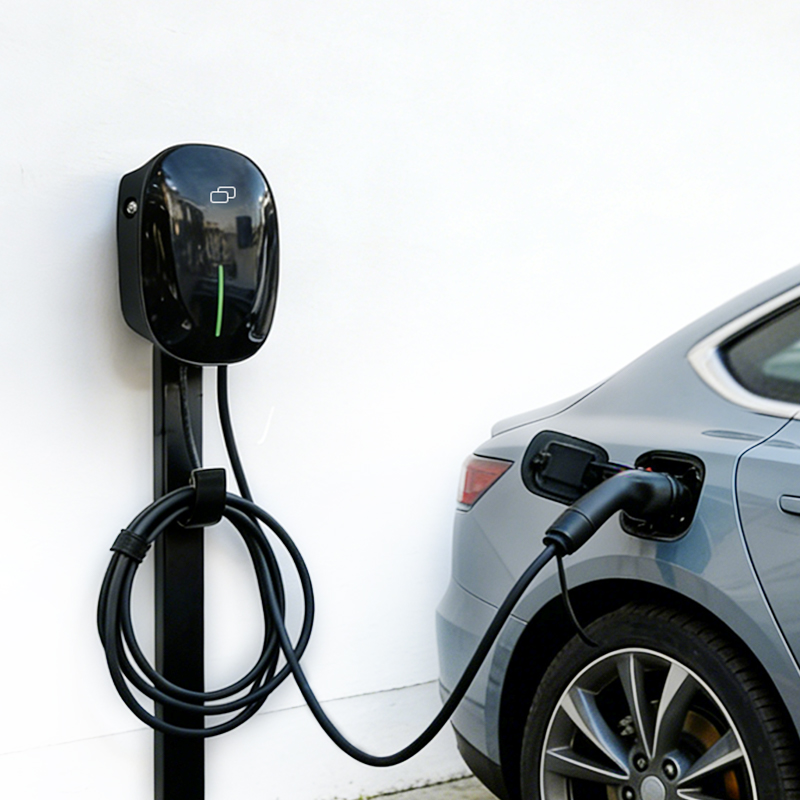
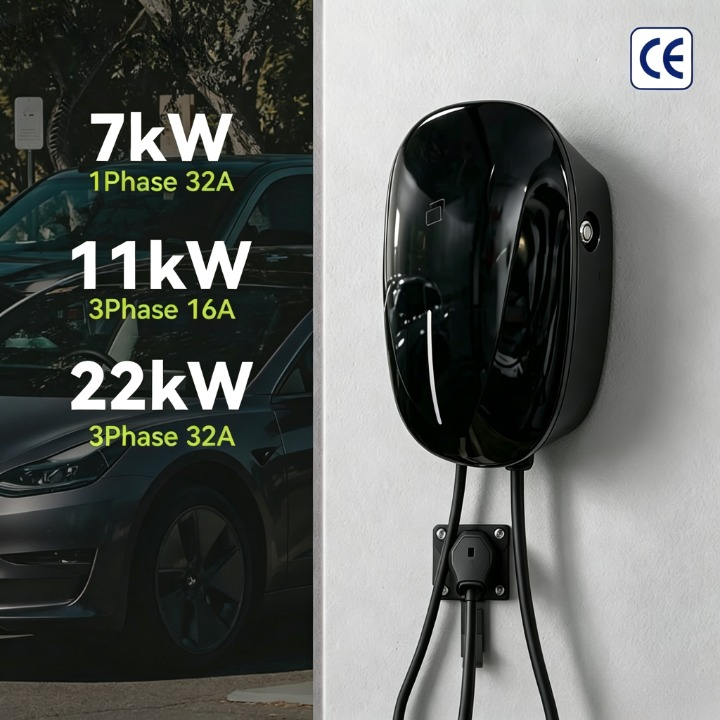
Put simply, it’s a Level 2 charger that mounts on your wall. It pulls 240V and puts out anywhere from 7kW to 22kW, which means a typical EV charges in 3 to 5 hours instead of the 12+ hours you’d get from a regular outlet.
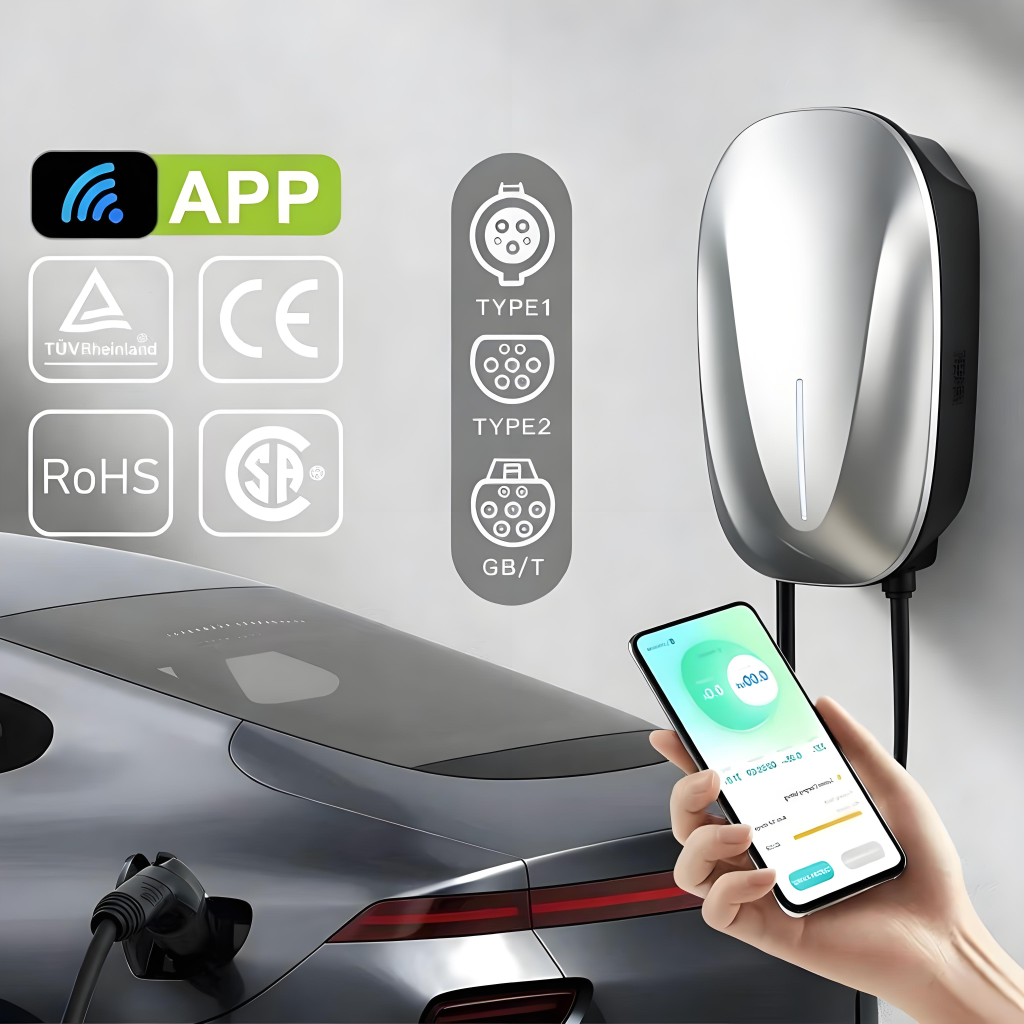
The “smart” part is what makes the difference. Ours connects to an app, so I can see who’s charging, how much it’s costing, and set schedules so everything runs during off-peak electricity rates. That alone cut our charging bill by about a quarter.
What we liked (and didn’t like)
The biggest win was flexibility. We have a mix of vehicles—some European, some Chinese makes—and the wallbox supports Type 1, Type 2, and GB/T connectors. No more “sorry, your car doesn’t fit here” conversations.
Installation was straightforward too. An electrician had both units up and running in an afternoon. They’re TÜV and CE certified, which mattered to our facilities team—nobody wants to be the person who approved an uncertified electrical install.
One thing to know: the app takes a day or two to get used to. It’s not complicated, but if you’re not tech-inclined, give yourself some time. Once it’s set up, you basically don’t touch it again.
How it compares to a basic fixed charger
| Basic Fixed Charger | Smart Wallbox | |
|---|---|---|
| Charging speed | Level 2 | Level 2 (same) |
| App control | No | Yes |
| Connector support | Usually one type | Type 1 / Type 2 / GB/T |
| Cost tracking | Manual | Automatic |
| Certifications | Hit or miss | TÜV, CE, RoHS, CSA |
Honestly, the charging speed is the same. The difference is everything around it—knowing what you’re spending, being able to schedule, and not worrying about whether someone’s car will actually plug in.
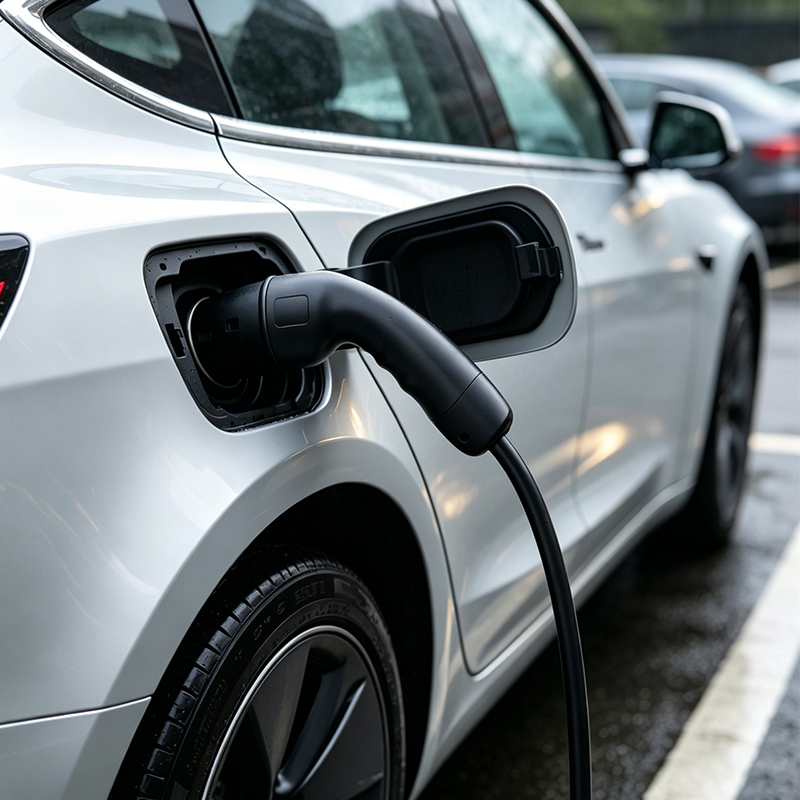
What I’d check before buying
- Power output: 7kW is fine for most offices. Go 22kW if you have three-phase power and need faster turnaround.
- Connector types: Make sure it covers the vehicles your employees and fleet actually drive.
- Certifications: TÜV, CE, RoHS—don’t skip this. It’s a safety thing.
- App features: At minimum, you want scheduling and usage reports.
- Indoor vs outdoor: If it’s going outside, check the IP rating.
Is it worth it?
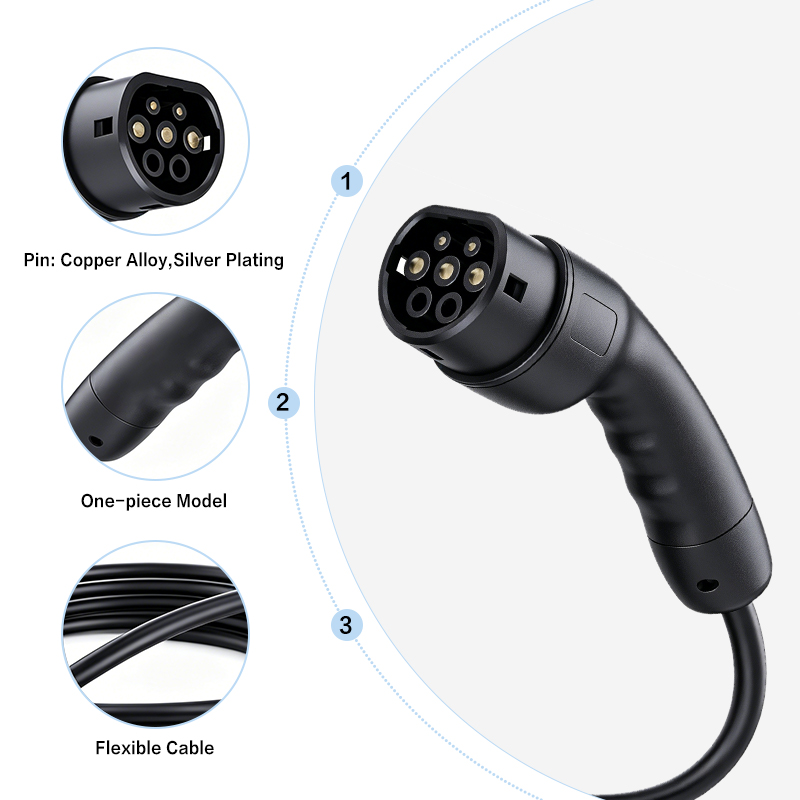
For us, yes. The charging is faster, the costs are visible, and employees actually use it. We paired ours with a good Type 2 EV charging cable so people can plug in regardless of which car they’re driving that day. We also keep a portable DC fast charger around for emergency top-ups on the road.
If you’re on the fence, I’d say start with one unit, see how your team uses it, and scale from there. No need to overbuild on day one.
Want to talk through what would work for your setup? Reach out to us—happy to share what we learned.